Strategic Visual Identity: Leveraging Messy, Textured Paint Art Brushes in Adobe Illustrator
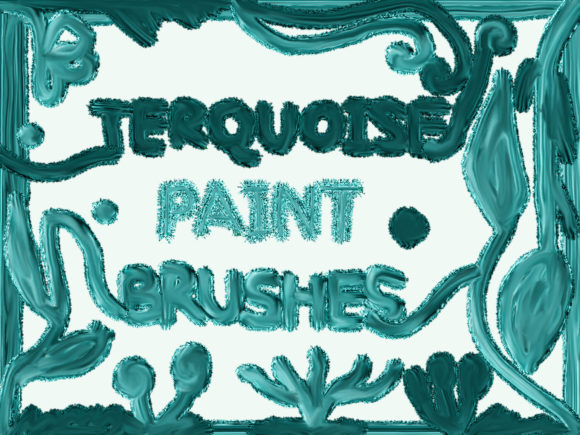
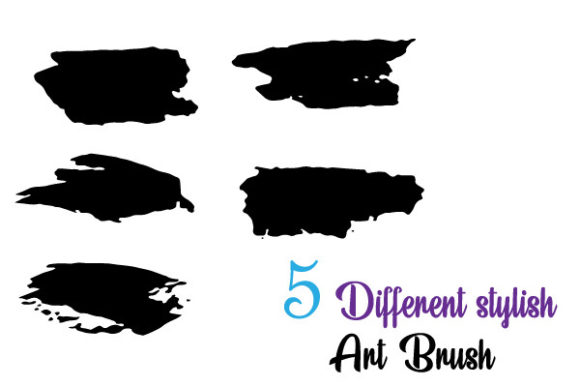
In a digital landscape increasingly saturated with polished, vector-perfect aesthetics, the strategic value of imperfection cannot be overstated. The Paint Art Brush collection represents more than a simple set of design assets; it is a toolkit for injecting authentic human texture into commercial and creative communications. These brushes are defined by their messy, inky, rough, and glitchy characteristics, offering a deliberate departure from the sterile precision often associated with vector graphics. For entrepreneurs, marketers, and creative professionals aged 20 to 50, the decision to integrate these textured elements into a brand's visual language is a calculated move toward differentiation and emotional resonance.
When you incorporate these exclusive brushes into your workflow within Adobe Illustrator, you are not merely decorating a layout. You are making a statement about your brand's personality. The ability to edit and combine these varied strokes allows for a level of customization that supports specific strategic goals, whether that involves softening a corporate image, adding grit to a music festival poster, or creating a handcrafted feel for an artisanal product launch. The core utility lies in the balance between digital scalability and analog warmth.
The Strategic Advantage of Textured Imperfection
Modern consumers are adept at filtering out content that feels overly manufactured or generic. A Paint Art Brush that mimics the unpredictability of ink on paper cuts through this noise. The "messy" and "rough" qualities of these tools introduce a tactile dimension to screen-based media, triggering a psychological response that equates the visual with the tangible. This is particularly vital for small business owners and freelancers who need to establish trust quickly. A logo or marketing material that appears hand-touched suggests care, effort, and a human behind the operation.
Furthermore, the "glitchy" aspect of this collection addresses a different demographic and aesthetic need. It speaks to a modern, tech-savvy audience that appreciates the intersection of traditional artistry and digital disruption. Using these brushes allows a brand to position itself as contemporary and aware of current design trends without sacrificing the organic feel of hand-drawn art. This duality is powerful for positioning products in competitive markets where standing out is synonymous with survival.
From an operational standpoint, relying on pre-made but highly editable assets like these accelerates the production timeline without compromising quality. Instead of spending hours trying to manually create texture effects that may look inconsistent, professionals can utilize these Adobe Illustrator CC files to achieve immediate results. This efficiency frees up cognitive resources for higher-level strategic planning, such as messaging alignment and customer journey mapping.
Intentional Application: Planning and Execution
Adopting these tools requires a thoughtful approach rather than random application. The effectiveness of a Paint Art Brush depends entirely on the context in which it is used. Before integrating these strokes into a project, consider the following strategic frameworks:
- Brand Alignment: Does the rough, inky texture align with your brand voice? For a luxury financial firm, heavy glitch effects might be inappropriate, but a subtle, textured underline could add sophistication. Conversely, for a streetwear label or a creative agency, the full force of the messy, glitchy strokes reinforces the brand's edgy identity.
- Hierarchy and Focus: Use the high-contrast nature of inky brushes to draw attention to key calls-to-action or headlines. The irregular edges naturally guide the eye, breaking the monotony of straight lines and standard fonts.
- Consistency vs. Variety: While each brush is unique, maintaining a consistent style across a campaign is crucial. Select a subset of the collection that shares a common weight or texture profile to ensure cohesive branding across social media, print, and web assets.
The fact that these brushes are fully editable is a critical feature for strategic deployment. You are not locked into a single look. In Adobe Illustrator, you can modify the stroke weight, change the color profile to match exact brand guidelines, or even expand the appearance to manipulate individual anchor points. This flexibility ensures that the tool serves the strategy, not the other way around.
Technical Versatility and File Formats
The inclusion of SVG and EPS files alongside the native Illustrator formats ensures that these assets are future-proof and versatile. For web designers and bloggers, SVGs provide scalable graphics that remain crisp on any device resolution, essential for responsive design. For print publishers and large-format advertisers, EPS files guarantee high-fidelity output regardless of the scaling requirements. This technical robustness means that a single creative concept can be seamlessly adapted from a business card to a billboard, maintaining the integrity of the textured effect throughout.
Moreover, the ability to customize any color means these brushes can be instantly adapted for seasonal campaigns, A/B testing different visual approaches, or white-labeling for client work. This adaptability reduces the friction between ideation and execution, allowing teams to iterate rapidly based on performance data.
Risks of Unstructured Implementation
While the potential benefits are significant, there are risks associated with using textured brushes without a clear strategic intent. The primary danger is visual clutter. Overusing "messy" or "glitchy" elements can make a design feel chaotic and unprofessional, undermining the credibility of the message. If every element on a page fights for attention with aggressive textures, the viewer experiences cognitive overload, leading to disengagement.
Another risk is misalignment with user expectations. If a healthcare provider or a legal service uses overly distressed, glitchy graphics, it may inadvertently signal instability or a lack of precision. Decision-makers must evaluate whether the aesthetic enhances the perceived value of the offering or detracts from it. The goal is to use the Paint Art Brush to amplify the message, not to obscure it.
Additionally, relying solely on aesthetic trends without grounding them in brand strategy can lead to short-lived relevance. What looks cutting-edge today may appear dated tomorrow if it lacks a foundational connection to the brand's core values. Therefore, these tools should be viewed as enhancers of a solid strategic foundation, not substitutes for one.
Long-Term Value and Creative Sustainability
Investing in a high-quality, exclusive set of brushes contributes to long-term creative sustainability. By owning a unique library of assets, creators avoid the trap of using ubiquitous stock elements that dilute brand distinctiveness. The exclusivity of this collection ensures that your visual output remains recognizable and ownable over time.
For educators and mentors, teaching the intentional use of such tools fosters a deeper understanding of design principles among students and junior staff. It shifts the focus from "how to make it look cool" to "why this texture supports the communication goal." This mindset shift is invaluable for building teams that think critically about visual decisions.
Ultimately, the Paint Art Brush collection is a catalyst for better decision-making in design. It challenges professionals to move beyond safe, generic choices and embrace the complexity of human expression. When used with purpose, these messy, inky, and glitchy strokes transform standard deliverables into compelling visual narratives that resonate on a deeper level.
Practical Steps for Integration
To maximize the return on this investment, consider the following implementation path:
- Audit Current Assets: Review existing branding materials to identify areas where a lack of texture makes the brand feel cold or distant.
- Define the Objective: Clearly articulate what the introduction of texture aims to achieve—increased engagement, softer tone, or modern edge.
- Experiment in Isolation: Test the brushes on non-critical projects first to understand their behavior in Adobe Illustrator and how they interact with your typography and color palette.
- Establish Guidelines: Create a mini-style guide documenting how and when these brushes should be used to maintain consistency across the organization.
- Measure Impact: Track engagement metrics on content utilizing these new textures to validate the strategic hypothesis.
By approaching the Paint Art Brush with this level of rigor and intentionality, professionals can unlock its full potential, turning a simple design asset into a powerful lever for business growth and brand elevation. The result is not just a prettier image, but a more effective communication tool that drives real-world results.