Unleashing Raw Creativity: A Comprehensive Guide to Grungy Brush Strokes and Vector Shapes
In the ever-evolving landscape of digital design, the pursuit of authenticity often leads creators away from sterile, pixel-perfect geometry toward textures that breathe with life and imperfection. This is where Grungy Brush Strokes and Vector Shapes have become indispensable assets for a wide spectrum of users, from professional graphic designers to hobbyist crafters. These elements bridge the gap between the organic unpredictability of traditional media and the scalability required for modern digital production. By integrating these raw, textured components into your workflow, you can infuse projects with a tactile quality that resonates deeply with audiences accustomed to polished but soulless corporate aesthetics.
The Unique Intersection of Texture and Scalability
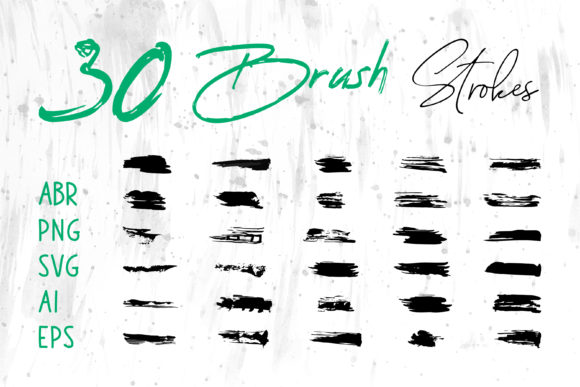
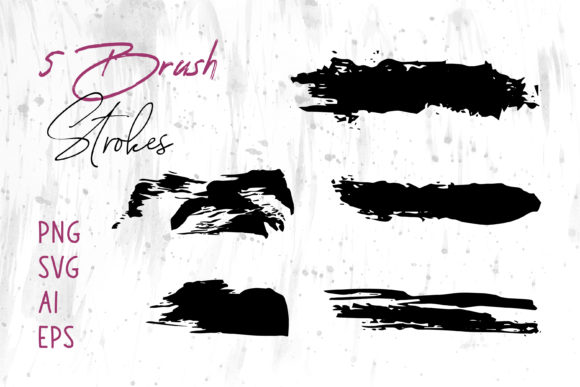
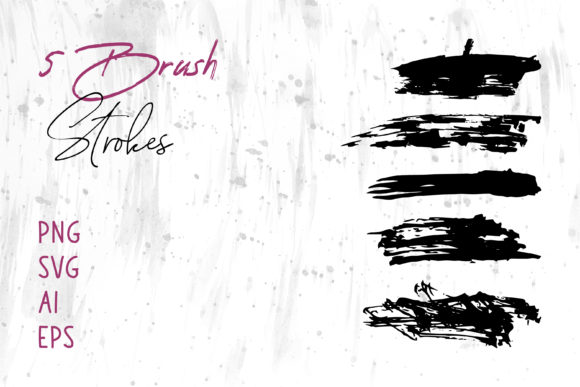
At first glance, the concept of "grunge" might seem contradictory to the precision of vector graphics. Grunge is defined by its dirt, decay, and irregularity, while vectors are mathematical paths known for their clean lines and infinite scalability. However, the fusion of Grungy Brush Strokes and Vector Shapes creates a powerful hybrid toolset. When you utilize files provided in formats like AI and EPS, you are accessing shapes that retain the rough, hand-painted edge of a dry brush but behave like standard vector objects. This means you can resize a jagged paint smear from the size of a business card to a massive billboard without losing a single detail or encountering pixelation.
This duality offers a significant advantage over raster-only textures. While a PNG file provides immediate visual texture, it is bound by resolution limits. If you stretch a low-resolution PNG brush stroke, it becomes blurry and unusable. Conversely, a pure vector shape might lack the necessary grit. The ideal asset pack includes both: high-resolution PNG files for quick drag-and-drop application in software like Photoshop or MS Word, and editable SVG, AI, and EPS files for deep customization in Adobe Illustrator. This versatility ensures that whether you are designing a subtle background pattern or a bold foreground element, the integrity of the design remains intact across all mediums.
Diverse Applications Across Industries
The utility of these graphic elements extends far beyond simple decoration. Their adaptability makes them suitable for a vast array of industries and project types. For branding and logo design, grungy strokes can convey a sense of heritage, ruggedness, or artistic flair. A coffee shop might use a rough brush circle to frame its emblem, suggesting artisanal roasting methods, while a music festival could employ chaotic splatter shapes to evoke energy and rebellion. Because these shapes are often available in vector formats, a logo designer can easily modify the anchor points to create a unique mark that stands out in a crowded marketplace.
In the realm of packaging and product design, texture plays a crucial role in consumer perception. Packaging that incorporates grungy elements often feels more premium or authentic, distinguishing itself from competitors who rely on flat, digital colors. When applied to book covers, these brush strokes can set the tone immediately—a thriller novel might benefit from sharp, aggressive slashes, whereas a historical fiction piece could use faded, weathered strokes to imply age. Furthermore, the inclusion of these assets in MS PowerPoint and MS Word allows educators and business professionals to break the monotony of standard templates. A presentation slide accented with a subtle vector grunge border can make data feel more dynamic and less rigid, keeping the audience engaged.
The craft and DIY community also finds immense value in these resources. Users creating digital scrapbooks, greeting cards, or T-shirt designs can layer these strokes to create complex collages. Since the files often come in multiple formats, a user working in a web-based design tool can utilize the SVG format, while someone printing physical invitations at home might prefer the high-quality PNG for ease of use. The ability to apply these graphics to textiles, such as T-shirts, opens up opportunities for small business owners to create limited-run apparel with a distinct, hand-crafted aesthetic without needing actual paint and fabric.
Technical Workflows and Software Compatibility
Understanding how to implement Grungy Brush Strokes and Vector Shapes efficiently requires familiarity with the specific strengths of different file formats. When you download a comprehensive pack, you typically receive a suite of files designed to interoperability across the Adobe Creative Cloud and other common office software.
- Adobe Illustrator (AI & EPS): These are the powerhouses for modification. Opening an .ai or .eps file allows you to ungroup elements, change stroke weights, and recolor individual parts of the brush stroke. You can use the Pathfinder tool to merge a grungy shape with text, creating custom typography that looks stamped or painted. This is essential for logo creation where every curve must be precise.
- Adobe Photoshop (PNG & AI): While Photoshop is primarily raster-based, it handles smart objects beautifully. Importing an .ai file as a smart object preserves the vector data, allowing you to scale the grunge element non-destructively within a raster composition. Alternatively, using the included .png files with transparent backgrounds allows for instant layering, perfect for adding texture overlays to photographs or digital paintings.
- Adobe InDesign: For layout professionals, these shapes serve as excellent framing devices or background textures for magazines and brochures. The vector nature ensures that print output remains crisp, even when the design includes complex, overlapping grunge elements.
- MS Word & PowerPoint: Often overlooked, these programs support .png and increasingly .svg formats. Inserting a grungy brush stroke here can transform a standard document into a visually compelling report. It adds a layer of design sophistication that suggests effort and attention to detail, which is particularly useful for proposals and educational materials.
The workflow generally begins with selecting the appropriate format for your end goal. If the final output is strictly digital and web-based, SVG is often the best choice due to its small file size and responsiveness. For print-heavy projects, EPS or AI ensures the highest fidelity. The presence of multiple formats in a single download eliminates the need for conversion tools, saving time and reducing the risk of quality loss during file translation.
Enhancing Visual Hierarchy and Emotional Impact
Beyond their technical specifications, grungy brush strokes serve a vital psychological function in design. They disrupt visual harmony in a controlled way, drawing the eye to specific areas of a composition. In a sea of smooth gradients and sans-serif fonts, a rough, textured shape acts as a visual anchor. This is particularly effective in social media banners and website headers where capturing attention within seconds is critical.
The "grunge" aesthetic carries connotations of authenticity, history, and human touch. In an era dominated by AI-generated perfection, consumers often crave signs of human involvement. A website banner featuring hand-drawn vector strokes suggests that there is a real person behind the brand, fostering trust and connection. This emotional resonance is why these elements are so prevalent in industries ranging from craft breweries to independent publishing. They tell a story of process and materiality, even when displayed on a glass screen.
Moreover, these shapes offer incredible flexibility in terms of color and blending modes. A black grungy stroke can be instantly recolored to match a brand palette, or its blending mode can be set to "Multiply" or "Overlay" in Photoshop to interact with underlying images. This allows designers to create depth and atmosphere without cluttering the design with too many layers. The interplay between the sharp edges of vector shapes and the soft, eroded textures of grunge creates a dynamic tension that keeps the viewer interested.
Considerations for Effective Implementation
While the benefits are numerous, effective use of Grungy Brush Strokes and Vector Shapes requires a degree of restraint. Overusing texture can lead to visual noise, making a design feel cluttered and difficult to read. The key is balance. Use these elements to accentuate content, not to overwhelm it. For instance, a single large brush stroke behind a headline can provide sufficient contrast without distracting from the message. In contrast, tiling small grunge patterns across an entire background might reduce legibility if not managed carefully with opacity adjustments.
It is also important to consider the context of the medium. What works for a T-shirt design or a concert poster might not translate well to a corporate annual report. However, even in conservative contexts, subtle applications of vector grunge can add a touch of elegance and distinction. The versatility of the file formats—allowing you to edit transparency, color, and shape—means you can dial the "grunge" factor up or down to suit the specific tone of your project.
Ultimately, the value of these assets lies in their ability to democratize high-quality textural design. You do not need to be a master painter to achieve a hand-crafted look; you simply need the right digital tools. By leveraging the included PNG, SVG, AI, and EPS files, creators of all skill levels can elevate their work, ensuring that their designs stand out with character, depth, and professional polish. Whether you are crafting a digital scrapbook page, designing a new logo, or sprucing up a PowerPoint presentation, these grungy elements provide the raw material needed to turn ordinary concepts into extraordinary visual experiences.