Evaluating Brush Strokes Grungy Texture Assets for Design Projects
In the realm of digital design, the pursuit of authenticity often leads creators away from sterile, vector-perfect lines toward elements that mimic the imperfections of physical media. A Brush Strokes Grungy Texture serves as a critical component in this aesthetic, offering the visual weight and organic irregularity of hand-painted marks without the mess of actual paint. For designers, illustrators, and crafters evaluating asset packs, understanding the utility, versatility, and limitations of these textures is essential before integrating them into a workflow.
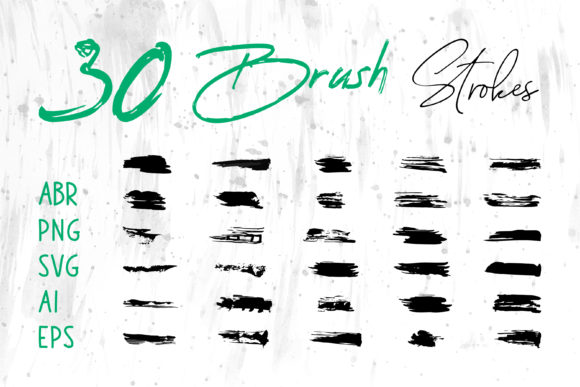
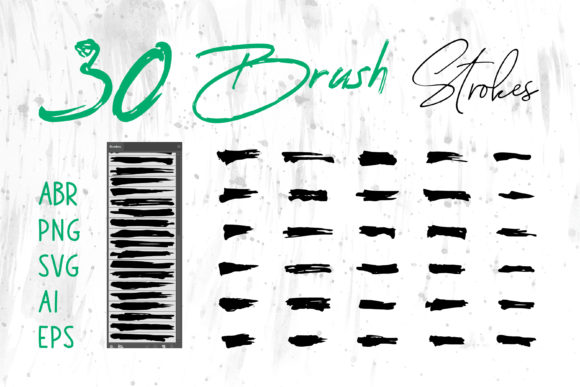
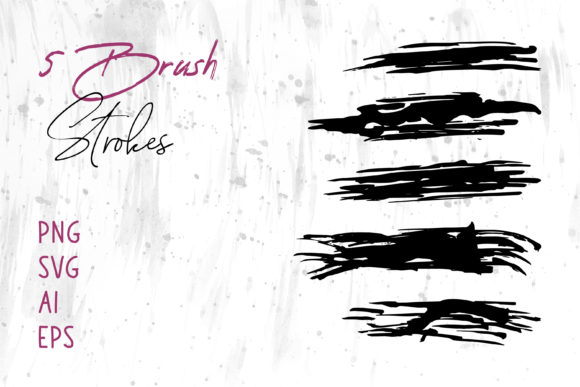
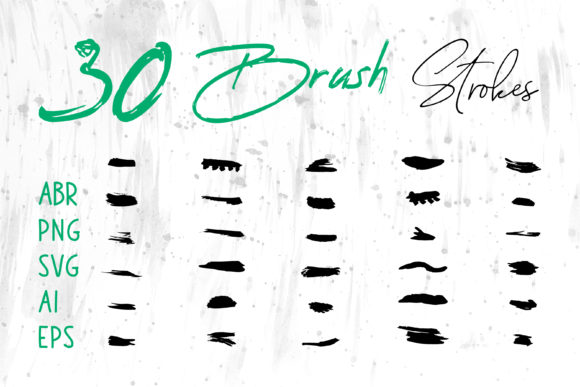
These assets typically consist of high-resolution raster images or specialized brush presets that replicate the look of dry ink, worn paint, or distressed surfaces. The "grungy" descriptor indicates a specific style characterized by rough edges, varying opacity, and a sense of age or wear. When evaluating a collection that includes files such as ABR (Photoshop), ProCreate brushes, and vector formats like SVG, AI, and EPS, the primary consideration is how these different file types serve distinct stages of the creative process.
The Value of Multi-Format Asset Collections
One of the most significant factors in selecting a texture pack is the range of included file formats. A comprehensive collection usually provides Brush Strokes Grungy Texture elements in both raster and vector forms. Raster formats, such as PNGs with transparent backgrounds or ABR brush presets, are ideal for adding immediate texture to digital paintings or photo manipulations. They capture the nuanced grain and pixel-level detail that defines a grunge aesthetic.
Conversely, vector files (AI, EPS, SVG) offer scalability. For projects requiring output at vastly different sizes—such as a logo that must appear on a business card and a billboard—vector brush strokes ensure crisp edges regardless of magnification. However, it is important to note that converting a highly detailed grunge texture to vector can sometimes result in overly complex paths or a loss of the subtle noise that makes the texture feel authentic. Therefore, a pack offering both allows the user to choose the appropriate format based on the specific resolution and editing needs of the project.
Furthermore, the inclusion of compatibility with software beyond the Adobe ecosystem, such as MS Word or MS PowerPoint, expands the utility of these graphics. While professional designers primarily work in Illustrator or Photoshop, marketers and small business owners often rely on office suites for creating presentations or internal documents. Having access to standard image formats like PNG ensures that these textured elements can be easily inserted into slides or reports to elevate the visual quality without requiring specialized design software.
Practical Applications and Strong Fits
Determining whether a Brush Strokes Grungy Texture aligns with your goals depends largely on the intended medium and the emotional tone of the project. These textures are particularly effective in situations where a brand or message needs to convey ruggedness, creativity, or a handmade feel.
- Packaging and Product Design: For products targeting an artisanal or vintage market, grunge brush strokes can break up solid color blocks and add tactile visual interest to labels and boxes.
- Apparel and T-Shirt Graphics: The distressed look is a staple in streetwear and vintage-style clothing. Using these brushes allows for designs that appear weathered and worn, even when freshly printed.
- Book Covers and Editorial Layouts: In publishing, texture can set the mood immediately. A grunge overlay can suggest mystery, history, or raw emotion, making it a strong fit for thriller novels or music magazines.
- Digital Scrapbooks and Craft Projects: For hobbyists using digital cutting machines or printing at home, these elements provide the illusion of physical stamping or painting, adding depth to digital layouts.
- Social Media Banners and Web Headers: In a digital landscape often dominated by flat design, a textured banner can stop the scroll by offering visual contrast and depth.
The ability to use these graphics across such a wide spectrum—from Logo design to Digital Scrapbooks—makes them a versatile investment. However, the effectiveness relies on proper implementation. In web design, for instance, large raster textures must be optimized to avoid slowing down page load times, whereas vector SVGs might be preferred for interactive elements.
Considerations and Tradeoffs
While the aesthetic benefits are clear, there are tradeoffs to consider when incorporating Brush Strokes Grungy Texture elements into a project. The primary challenge is maintaining legibility. Grunge textures are inherently noisy; if applied too heavily over text or crucial interface elements, they can reduce readability and accessibility. Designers must evaluate the contrast ratios and ensure that the texture enhances rather than obscures the message.
Another consideration is the trend lifecycle. While grunge has established itself as a classic alternative to minimalism, it may not suit brands aiming for a ultra-modern, tech-forward, or corporate clean image. In sectors like finance, healthcare, or high-end technology, the disorderly nature of grunge might conflict with the desired perception of precision and trustworthiness. In these cases, smoother gradients or geometric patterns might be more appropriate alternatives.
Additionally, users must be mindful of the software capabilities. While an ABR file works natively in Photoshop, using it in other programs may require rasterizing the stroke first, which limits future editability. Similarly, editing complex vector brush strokes in Illustrator can be computationally intensive if the paths contain thousands of anchor points trying to replicate a rough edge. Users with older hardware should test the performance of high-detail vector files before committing to them for large-scale projects.
Making the Decision
Ultimately, selecting a texture pack comes down to workflow efficiency and stylistic alignment. If your work frequently involves creating assets for diverse platforms—switching between social media graphics, print packaging, and presentation decks—a multi-format pack containing PNG, SVG, AI, and EPS files offers the greatest flexibility. It eliminates the need to convert files manually, preserving quality and saving time.
For those focused exclusively on digital illustration within ProCreate or Photoshop, the brush preset files (ABR, ProCreate) are the most valuable components, allowing for dynamic application where pressure sensitivity dictates the texture's intensity. Conversely, if the goal is strictly print production where scale varies wildly, the vector components become the priority.
A Brush Strokes Grungy Texture collection is a powerful tool for adding character and depth to visual communications. By carefully weighing the file formats against your software environment and considering the tonal fit for your specific audience, you can determine whether these assets will elevate your design work or simply add unnecessary clutter. The key lies in using these textures intentionally, ensuring they serve the narrative of the design rather than acting as a superficial decoration.